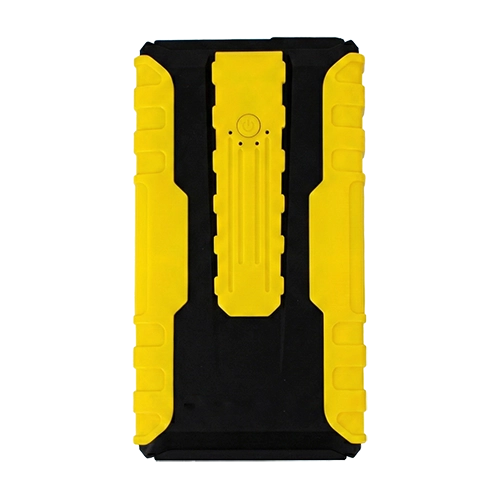
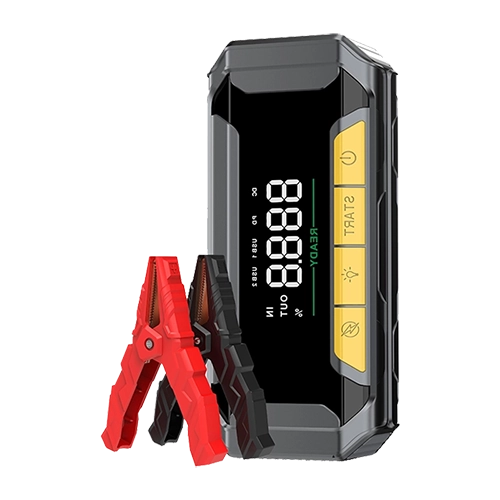
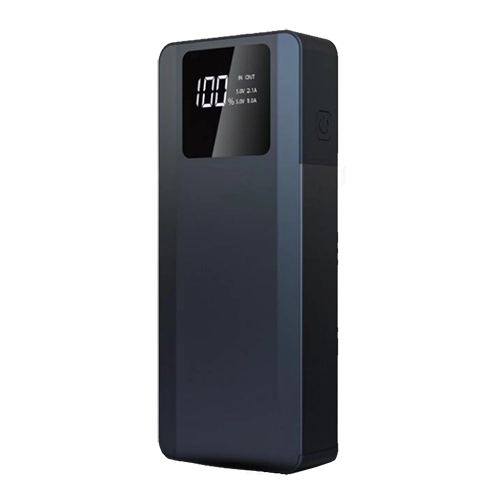
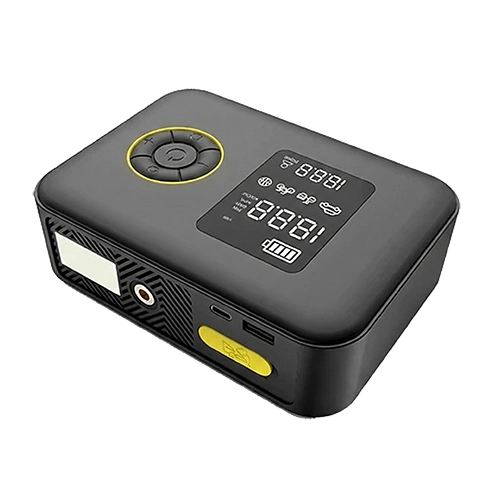
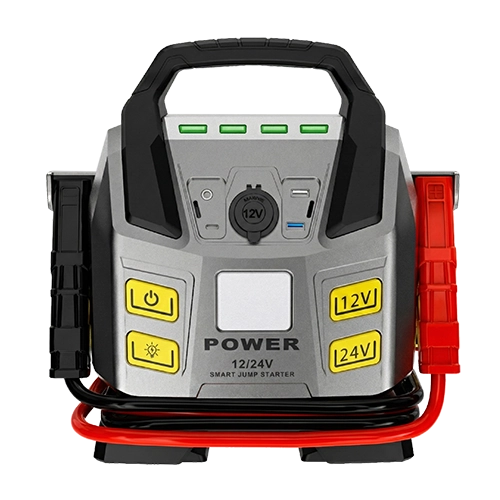


For importers and auto accessory distributors, choosing a car jump starter manufacturer is a technical decision, not only a price comparison. Low-grade cells, weak clamps, inflated current claims, or missing shipping documents can create high return rates and brand damage.
A reliable supplier should be able to explain the internal battery system, protection logic, testing process, certification support, and OEM workflow before you place a bulk order.
High-rate lithium cells are the real power source
A jump starter is different from a phone power bank. It needs to release a high burst of current in a short moment to crank an engine. Standard low-discharge cells may overheat, swell, or fail when used for vehicle starting.
A quality manufacturer should be able to provide battery cell specifications and explain the discharge rate, pack structure, and practical starting current of each model.
- Ask for cell specification sheets or battery pack details
- Compare starting current under load, not only advertised peak current
- Match cell grade to gasoline, diesel, SUV, truck, or heavy-duty use cases
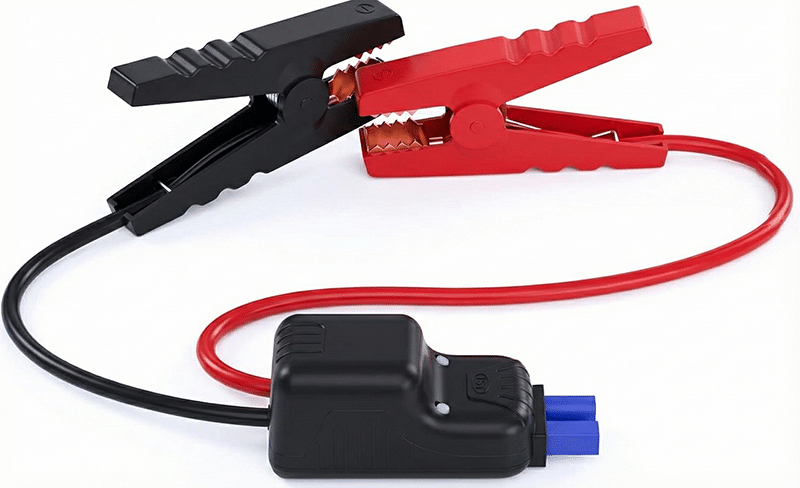
Smart clamps protect users and vehicles
Many warranty problems come from user error. Reverse polarity, short circuits, backflow from the alternator, and overheating can damage both the jump starter and the vehicle if the clamp system is poorly designed.
Inspect the clamp housing, cable gauge, copper quality, and PCBA protection functions. Strong-looking plastic is not enough if the internal conductor and protection logic are weak.
- Reverse polarity and spark-proof protection
- Reverse charge protection after the vehicle starts
- Short-circuit, over-current, low-voltage, and over-temperature protection
Thermal design and housing material matter
Car jump starters are often stored in trunks through hot summers and cold winters. Housing material, internal spacing, heat dissipation, and battery temperature control all influence long-term stability.
For premium models, ask about fire-retardant materials, temperature chamber testing, drop testing, and vibration testing. These checks are especially important for private-label brands that need consistent after-sales performance.
- Prefer PC+ABS or other suitable fire-retardant housing materials
- Check operating temperature claims against actual test data
- Review internal heat management around the BMS and battery pack
Real starting capability must be consistent in bulk orders
A sample that starts a vehicle once is not enough proof. Importers need to know whether the mass-production batch will hold voltage under heavy load and deliver repeatable starting performance.
Request load-test videos or factory test records. Watch how voltage behaves under load. If voltage drops too far during cranking, the vehicle ECU may not power up even if the starter motor turns.
- Verify performance under load rather than relying on catalog claims
- Ask how every unit is tested before shipment
- Check aging, engine start, and batch inspection procedures
Certifications and documents protect your market entry
Lithium battery products need proper documentation for shipping, customs, online marketplaces, and local compliance. Missing or unverifiable reports can delay shipments or block sales.
A serious manufacturer should support export documentation and help you understand which reports are needed for your target market. Certificate numbers should be verifiable through the testing lab when possible.
- UN38.3 and MSDS for lithium battery shipping
- CE, FCC, RoHS, and market-specific safety documents
- Clear product labels, warning language, manuals, and packaging files
Need a reliable jump starter manufacturer?
Share your target market, vehicle application, and order quantity. Tuomo Tech can recommend models and OEM options for your channel.